



A racing heart at the supermarket. A wave of dread before bed. A sudden sense that something terrible is about to happen, even when you know you are safe. For many people, anxiety panic attacks trauma are not three separate problems. They are part of the same pattern, and that is exactly why they can feel so overwhelming.
If you have been told to just calm down, think positively, or breathe through it, you may already know how frustrating that advice can be. It is not that you are weak. It is that your mind and body may have learned to stay on alert, and once that alarm system gets stuck on, it can begin firing in ordinary situations. The good news is that what has been learned can also be changed.
How anxiety, panic attacks and trauma connect
Anxiety is often the ongoing sense of worry, tension or unease that follows you around. Panic attacks are more intense. They tend to hit hard and fast, with symptoms such as a pounding heart, shaking, breathlessness, dizziness, chest tightness or feeling detached from reality. Trauma sits underneath many cases, even when people do not immediately recognise it as trauma.
When people hear the word trauma, they often think only of major life-threatening events. Sometimes it is that. But trauma can also come from bullying, a painful breakup, difficult childhood experiences, medical fear, bereavement, humiliation, emotional neglect, or years of feeling unsafe. The common thread is not the event itself. It is how the nervous system stored it.
That matters because the brain does not always separate past danger from present life very well. If an earlier experience taught your system that the world is unsafe, your body can react before your thinking mind has caught up. That is why people often say, “I know it makes no sense, but it still happens.”
What a panic attack is really doing
A panic attack is not your body failing. It is your survival response firing at the wrong time.
Your brain senses danger, whether that danger is real, remembered or predicted. It sends out the signal to fight, flee or brace. Adrenaline rises. Your heart beats faster. Breathing changes. Muscles tighten. Blood moves away from systems not needed for immediate survival. All of this is designed to protect you.
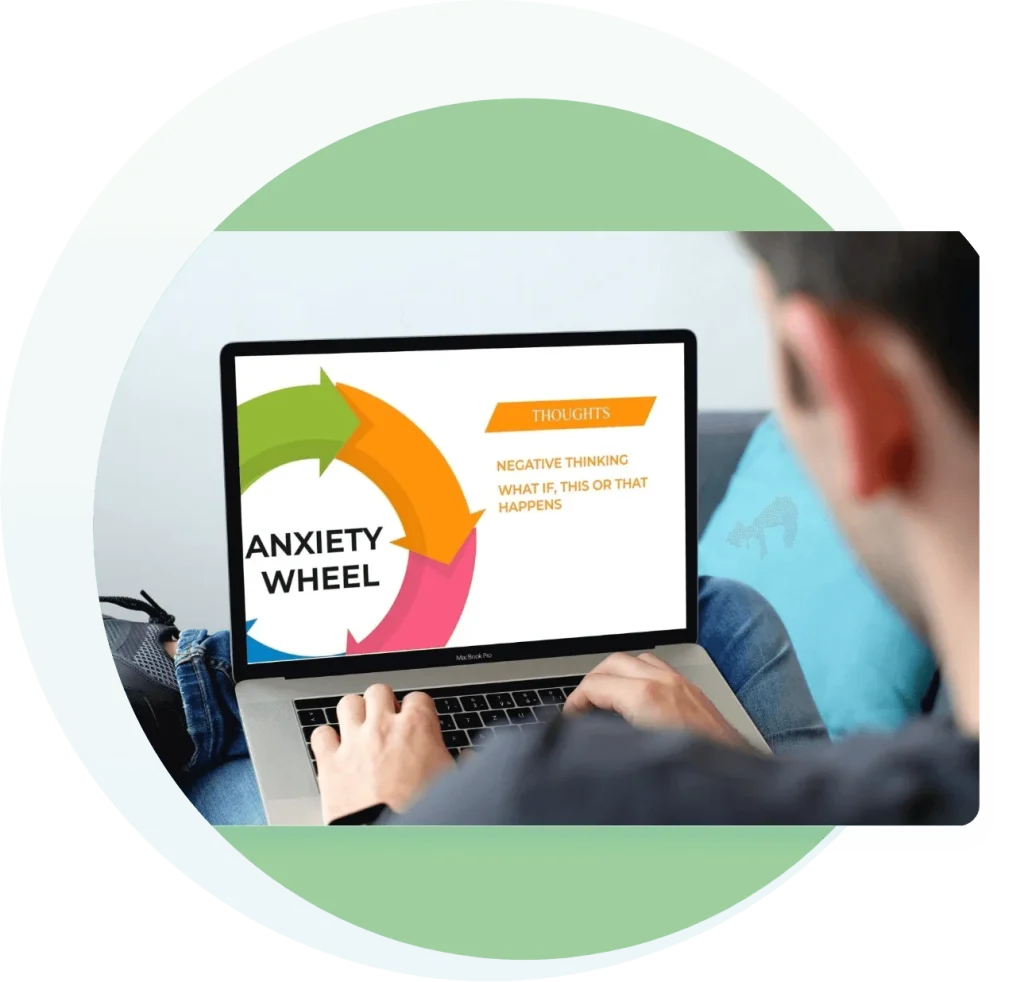
The trouble starts when you then become frightened of those sensations. A fast heartbeat feels dangerous. Dizziness feels dangerous. Breathlessness feels dangerous. That fear creates more adrenaline, which creates more symptoms, and the cycle builds.
This is one reason anxiety panic attacks trauma can become so entangled. Trauma teaches the body to watch for threat. Anxiety keeps that watch going. Panic attacks become the loudest expression of that internal alarm.
Why it can start months or years later
Not everyone has a panic attack during a traumatic event. In fact, many people cope at the time and then struggle later.
You might carry on, stay busy, look after everyone else and keep functioning. Then one day your body begins reacting in ways you do not understand. This delayed response is common. The mind can push things down for a while, but the nervous system still holds the pattern.
Sometimes a current stress triggers the older material. Lack of sleep, work pressure, relationship strain, illness, driving, travelling, or even a smell or sound can switch the alarm back on. It does not mean you are going backwards. It means something unresolved has been activated.
The hidden behaviours that keep it going
Most people with panic and trauma are not doing nothing. They are working hard to cope. The problem is that some coping strategies accidentally keep the issue alive.
Avoidance is a big one. You stop going to certain places, driving certain routes, sitting in the middle row at the cinema, staying home alone, or speaking up at work. That brings short-term relief, but it teaches the brain that the situation really was dangerous.
Constant checking can do the same. Monitoring your pulse, scanning your breathing, carrying “just in case” items everywhere, needing an exit, asking for reassurance, or mentally rehearsing worst-case scenarios all make sense when you feel unsafe. But they keep the fear system fed.
This is why purely trying to manage symptoms is not always enough. Sometimes the deeper pattern has to be changed, not just soothed.
Anxiety panic attacks trauma and the unconscious mind
A lot of people get stuck because they are trying to reason with a response that is not being driven by logic.
You can tell yourself, “I am safe,” and still feel terrified. You can know the statistics, understand the biology and still have the same reaction next time. That is because much of this pattern sits below conscious thinking. It becomes automatic.
This is where approaches that work with the unconscious mind can make real sense. If the problem lives in learned emotional responses, then change often needs to happen at that level too. Hypnotherapy, mind coaching, EMDR and other trauma-focused methods aim to reduce the charge attached to triggers, interrupt old loops and help the brain update its response.
That does not mean waving a magic wand or pretending the past never happened. It means helping the system stop reacting as if the past is still happening now.
What real recovery usually looks like
Recovery is not about becoming a different person. It is about becoming less trapped.
For some, that means no longer waking with dread. For others, it means driving again, sleeping properly, going on holiday, sitting through meetings without fear, or not needing to plan every day around the possibility of panic. Sometimes progress is quick. Sometimes it happens in layers. It depends on how long the pattern has been running, what sits underneath it, and how your mind responds to treatment.
What matters is that change is possible. People often come for help after months or years of trying to hold themselves together. They have tried talking about it, avoiding it, pushing through it, or medicating the symptoms. If those things have only helped a little, that does not mean you are beyond help. It may simply mean the right lever has not been pulled yet.
At Grimsby Hypnotherapy, this is exactly how the work is approached – not as endless talking for the sake of it, but as targeted change work designed to help people break old emotional patterns and regain control.
When trauma is obvious and when it is not
Some clients can point to a clear event and say, “It started there.” Others cannot. Both are valid.
You do not need a dramatic story for your pain to count. Many adults with anxiety and panic have spent years minimising what happened to them because someone else had it worse. But your nervous system does not work by comparison. It works by experience. If something overwhelmed you, frightened you, or left you feeling powerless, it can leave a mark.
This is why a careful, personalised approach matters. If therapy only treats the surface symptoms, the root may stay in place. If it only analyses the past without changing the body’s learned response, progress can feel slow. The most effective work usually meets both sides – understanding what happened and changing how it is stored.
What to do if this sounds like you
Start by dropping the idea that you should be able to fix it through willpower alone. That belief keeps many people stuck and ashamed.
Next, notice the pattern without judging it. When does anxiety rise? What do you avoid? What sensations frighten you most? What was going on in your life when it started? These are useful clues, not proof that something is wrong with you.
Then get proper support from someone who understands panic and trauma as connected processes, not isolated symptoms. The aim should not be to teach you to endure a miserable life more calmly. The aim should be to help your mind and body stop producing that level of alarm in the first place.
There is no prize for suffering in silence, and no rule that says this has to define the rest of your life. Many people who once felt broken now feel steady, capable and back in charge. Sometimes the turning point is simply deciding that white-knuckling your way through each day is no longer good enough.
You do not need to have all the answers before you ask for help. You only need to recognise that what you are feeling makes sense, and that it can change.